

Spring Lawn Care Tips for a Thriving Yard
Spring is here! It’s time to wake up your lawn and get it ready for a season of growth and beauty. A healthy yard starts with smart spring lawn preparation. I’m sharing my top tips to help you get your grass green, thick, and strong. Follow these steps and enjoy a yard that stands out all year long.
Start with a Clean Slate: Spring Lawn Preparation Basics
First things first - clear away the debris. Leaves, sticks, and dead grass can smother your lawn and block sunlight. Rake your yard thoroughly to remove this buildup. This simple step lets your grass breathe and soak up the sun.
Next, check your lawn for any bare or thin spots. These areas need extra attention. You can overseed them to encourage new growth. Use a seed mix that matches your existing grass type for the best results.
Don’t forget to inspect your lawn mower. Sharpen the blades or replace them if needed. A clean, sharp blade cuts grass cleanly, preventing damage and disease.

How to Prepare Your Soil for a Healthy Lawn
Healthy soil means a healthy lawn. Test your soil’s pH and nutrient levels. You can buy a simple test kit or send a sample to a local extension office. Most lawns prefer a pH between 6.0 and 7.0.
If your soil is too acidic or alkaline, apply lime or sulfur to balance it. Add organic matter like compost to improve soil texture and drainage. This helps roots grow deep and strong.
Aerate your lawn to reduce soil compaction. Use a core aerator to pull out small plugs of soil. This opens up space for air, water, and nutrients to reach the roots.
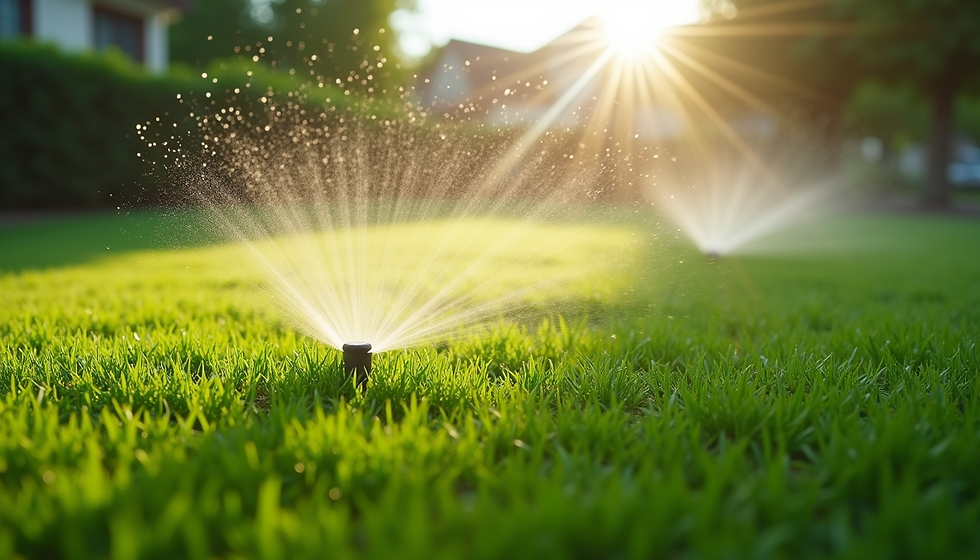
Water your lawn deeply but infrequently. Aim for about one inch of water per week. Early morning watering is best to reduce evaporation and fungal growth.

What happens if you fertilize your lawn too early in spring?
Fertilizing too soon can harm your lawn. Early fertilizer encourages grass to grow before the soil is warm enough. This weak growth is prone to disease and damage from late frosts.
Wait until your grass starts actively growing. For most lawns, this means when soil temperatures reach about 55 degrees Fahrenheit. Applying fertilizer at the right time boosts root development and overall lawn health.
Use a slow-release fertilizer to feed your lawn steadily. Avoid high-nitrogen fertilizers early on, as they can cause rapid, weak growth. Follow the instructions on the fertilizer package carefully.
Mowing Tips to Keep Your Lawn Strong and Neat
Start mowing when your grass reaches about 3 inches tall. Set your mower blade high - around 3 to 3.5 inches. Taller grass shades the soil, reducing weeds and conserving moisture.
Never cut more than one-third of the grass height at once. Cutting too short stresses the grass and opens the door to pests and diseases.
Keep your mower blades sharp. Dull blades tear grass, causing brown tips and making your lawn vulnerable.
Bag or mulch your clippings depending on your lawn’s needs. Mulching returns nutrients to the soil, while bagging helps control thatch buildup.
Keep Weeds and Pests in Check Early
Spring is prime time for weeds and pests to invade. Apply a pre-emergent herbicide to stop weed seeds from sprouting. Do this before weeds appear for the best results.
Inspect your lawn regularly for signs of pests like grubs or chinch bugs. Early detection lets you treat problems before they spread.
Use natural or chemical treatments as needed. Always follow label directions and consider environmentally friendly options.
Ready to Take Your Lawn to the Next Level?
If you want expert help with your spring lawn preparation, consider professional services. I recommend checking out spring lawn care plans that offer convenience and expert results.
Bryant’s Landscaping & Lawncare provides flat-rate monthly plans tailored for West Virginia yards. They handle everything from fertilizing to mowing and pest control. This keeps your lawn healthy without the hassle.
Start your spring lawn preparation today! A little effort now means a beautiful, thriving yard all season long. Your grass will thank you.
Enjoy your lush, green lawn this spring! Keep these tips handy and watch your yard transform. Happy gardening!


Comments